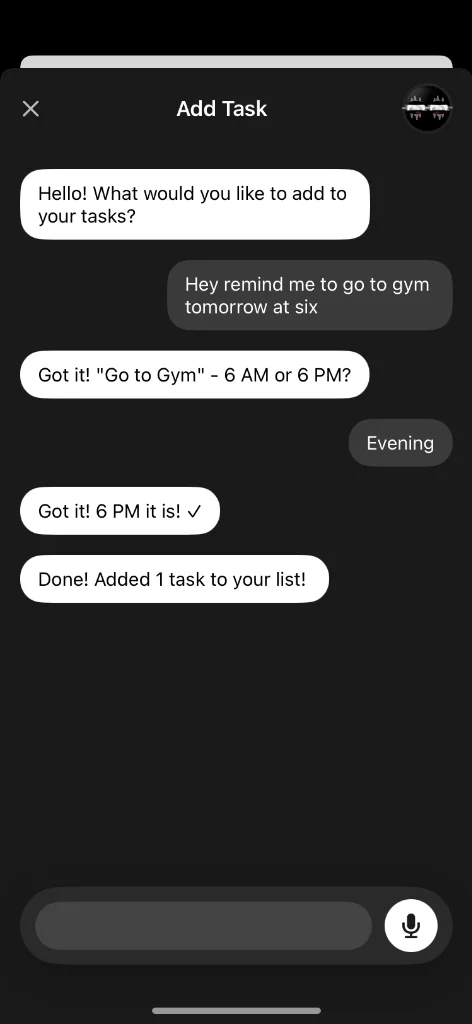
 01 / Tasks
Dump what needs doing
Capture a loose thought, a spoken list or a larger goal. Clarify the resulting tasks and break down work into manageable steps.
The design choice
Capture first. Structure should follow the person, not interrupt them.

A task manager with personality
Talk freely, in your own language. HiBart helps turn the things on your mind into tasks, a plan for today, and space to reflect.
Explore HiBartDesign breakdown / concept drawings
The starting point: say what is on your mind, in your own language, without formatting a task first.
01 / TasksCapture a loose thought, a spoken list or a larger goal. Clarify the resulting tasks and break down work into manageable steps.
Capture first. Structure should follow the person, not interrupt them.
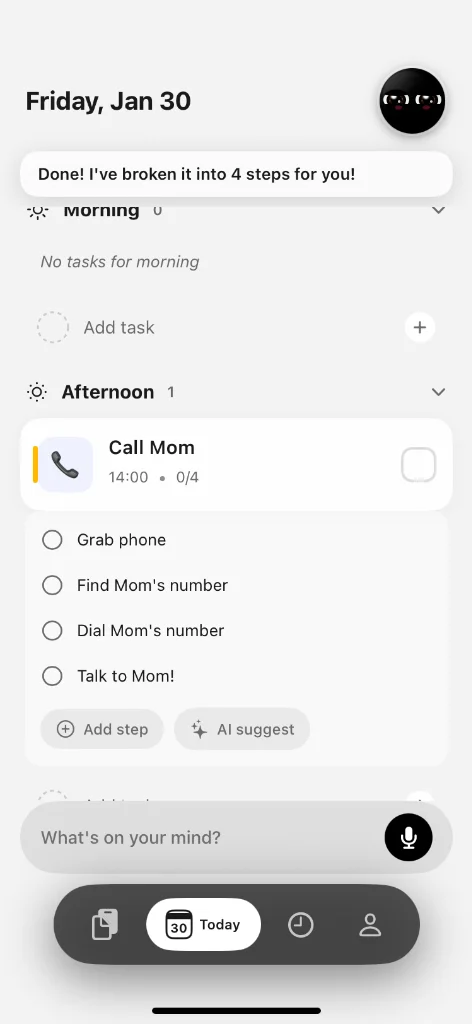 02 / Today
Bring the relevant work into today and give it a place in time. A smaller next step is easier to act on than the whole backlog.
Tasks holds what; Today makes room for when.
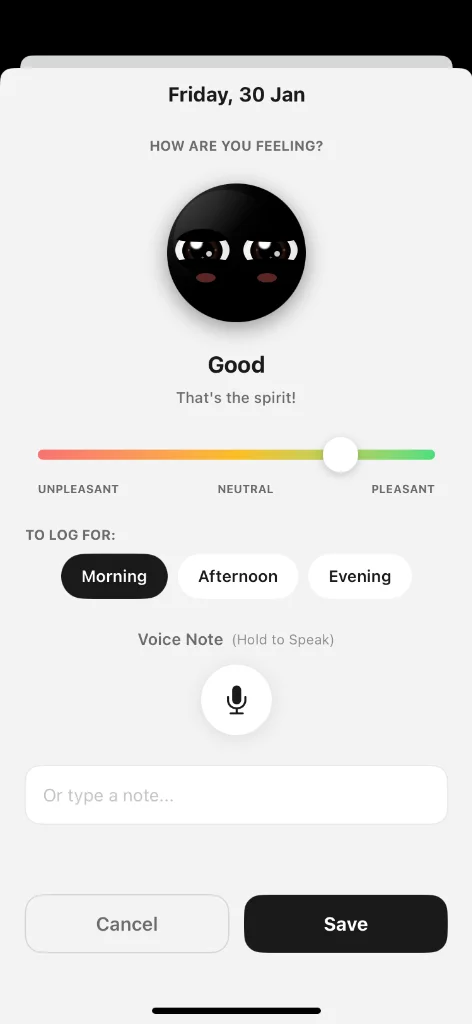 03 / Me
Mood and reflection provide a place to notice how the day felt, beyond what was checked off.
Reflection is a different activity from planning. Give it its own home.
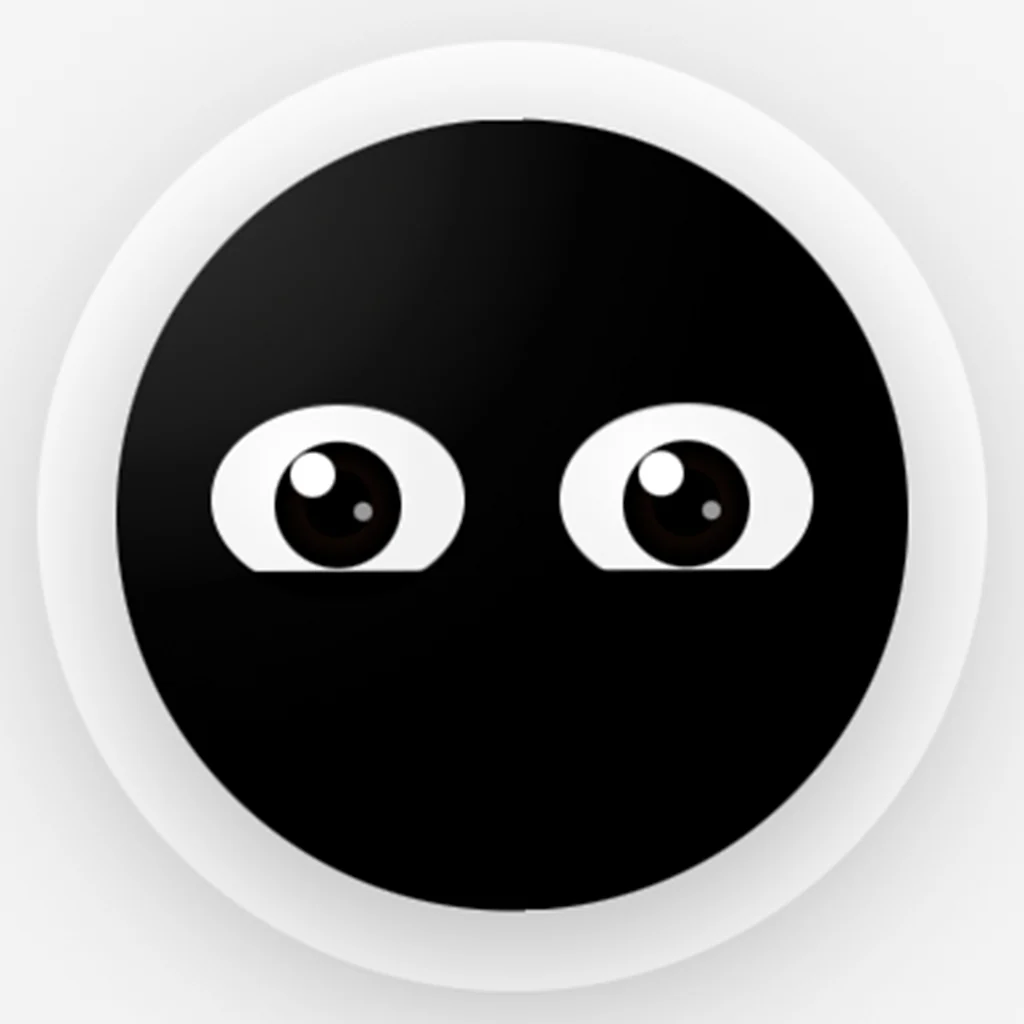
The starting point is ordinary, imperfect language. People remember things in fragments, change their minds, and need different kinds of encouragement. The character makes room for that personality.
The organising idea is simple: Tasks is where you dump what needs doing; Today is where you decide when; Me is where you reflect. Bart adds an expressive companion to that structure. The screenshots below show actual app interfaces; the project website has current product information.
Inside the app / real screens
Character design / interactive study
A task manager needs structure. A companion also needs a way to respond. Bart uses eyes and expressions to make listening, thinking and encouragement feel different—without filling the interface with more words.
Listening: open eyes make room for the next thought.
Portfolio expression study; app screens shown above.